


Mastersizer 3000
This is applicable to particle size ranging from approximately 0.01 to 3000 micron.
The laser diffraction technique is based on the phenomenon that particles scatter light in all directions with an intensity pattern that is dependent on particle size. All present instruments assume a spherical shape for the particles. (ISO 13320-1:1999E)
This procedure provides guidance on the measurement of size distributions of particles through analysis of their angular light scattering patterns. It does not address the specific requirements of particle size measurement of specific products. For non-spherical particles, an equivalent-sphere size distribution is obtained because the technique uses the assumption of spherical particles in its optical model. The resulting particle size distribution may be different from those obtained by methods based on other physical principles (e.g. sedimentation, sieving).(ISO 13320-1:1999E)
The objectives of the grain size examination are include :
- To get the particle size distribution in percent.
- To get the overall particle size distribution shown by a graph/distribution table.
- To determine the particle size classification.
Wet Method
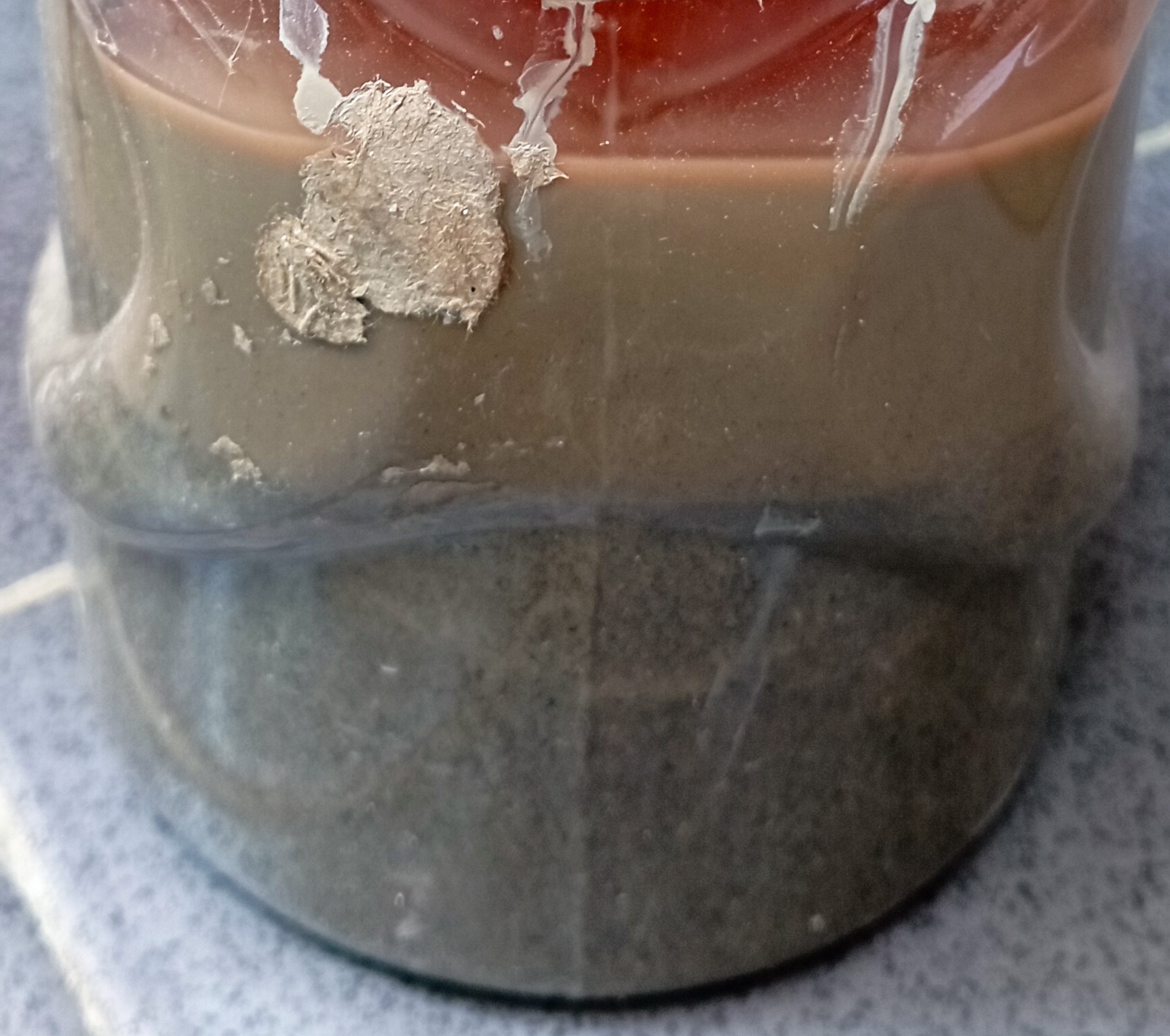
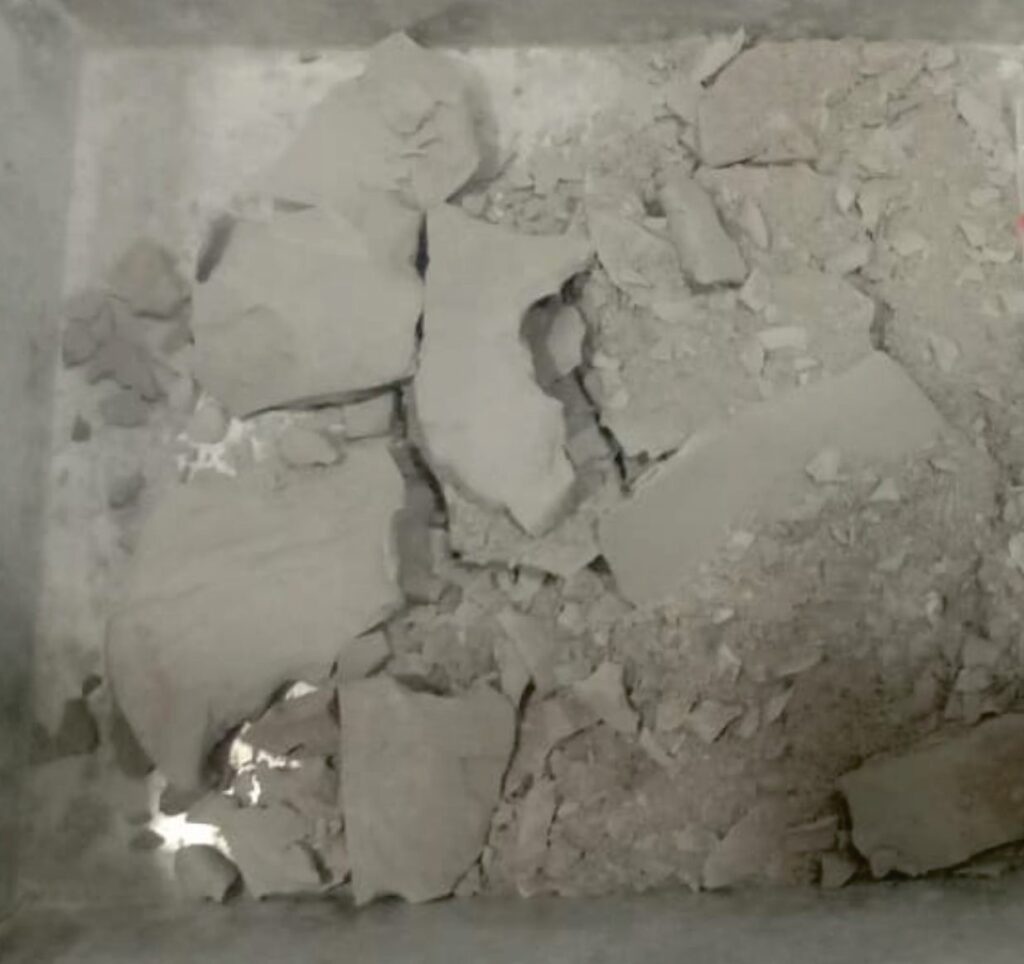
Sample Type : Suspensions/Mud/Lump/Silt/Clay
Dispersant : Water
Additives : Hexametha Phosphate
(according to the type of sample)
Sample Weight : > 5 g
Accessories : Hydro EV

Dry Method
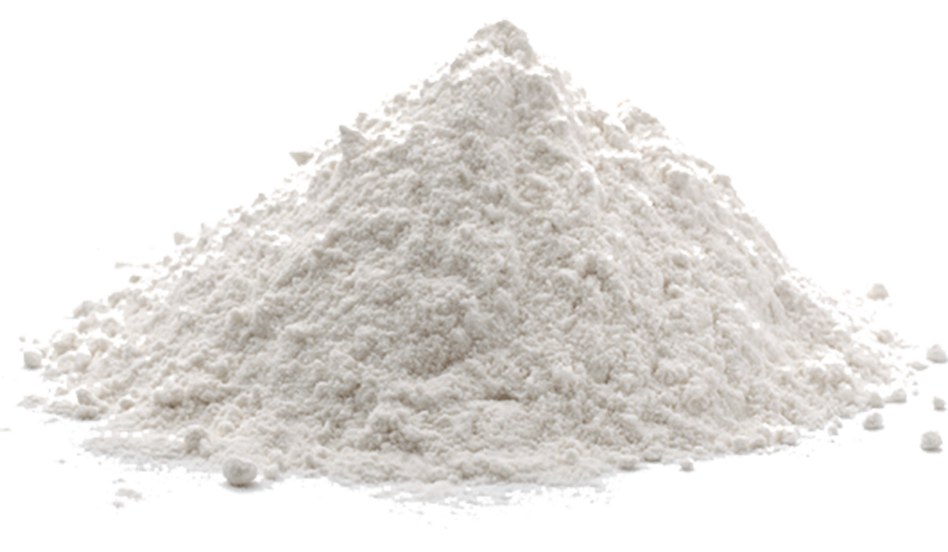
Sample Type : Powder/Sandy
Dispersant : Air pressure
Additives : –
Sample Weight : > 100 g
Accessories : Aero