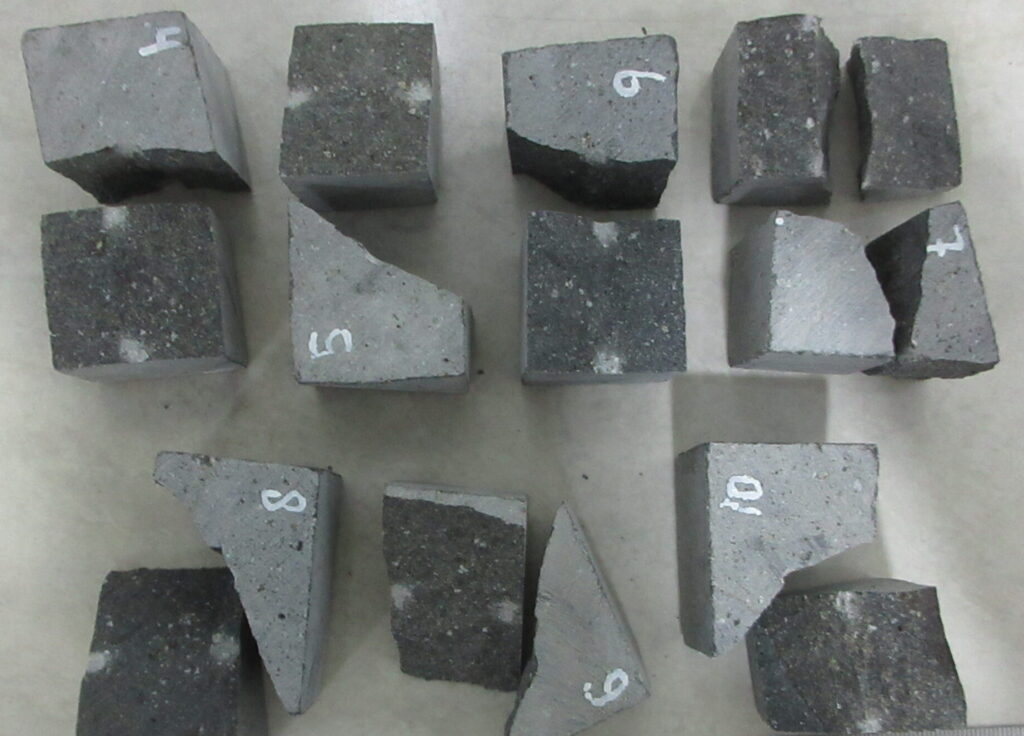
Point Load Test
The objective of this test is to obtain a rock strength index with a point load
The determination of rock reaction to a loading for a particular purpose is needed by classifying rock mass. This rock mass classification becomes an important parameter and can be obtained from various methods that are adapted to the existing rock conditions and the purpose of the classification. One method that is quite widely used is the point load test or what is often called the Point Load Test (PLT).
PLT testing is also a method used to determine rock strength that can be carried out both in the laboratory and in the field. One of the advantages of this test is it can be converted to other test values, one of which is the Uniaxial Compressive Strength (UCS) test. However, the results of the conversion must also be compared with geological assessments/considerations and other considerations (adjusted for the purpose of someone doing this test).
PLT is one of the selection methods if the sample conditions are quite limited and irregular.
This index test is performed by subjecting a rock specimen to a increasingly concentrated load until failure occurs by splitting the specimen. The concentrated load is applied through coaxial, truncated conical platens. The failure load is used to calculate the point load strength index. The point load strength index can be used to classify the rocks. (ASTM D5731)
Samples in the form of rocks that can be shaped into cylindrical, block, or irregular specimens.
Diametric and Axis Test Specimens

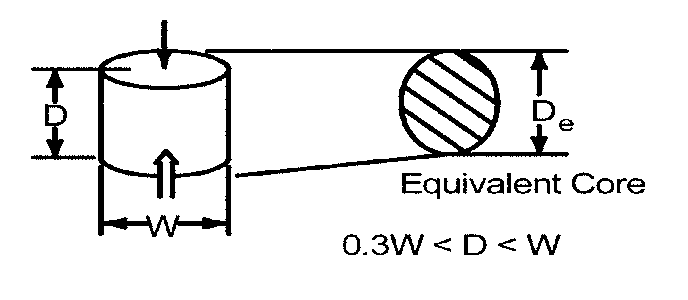
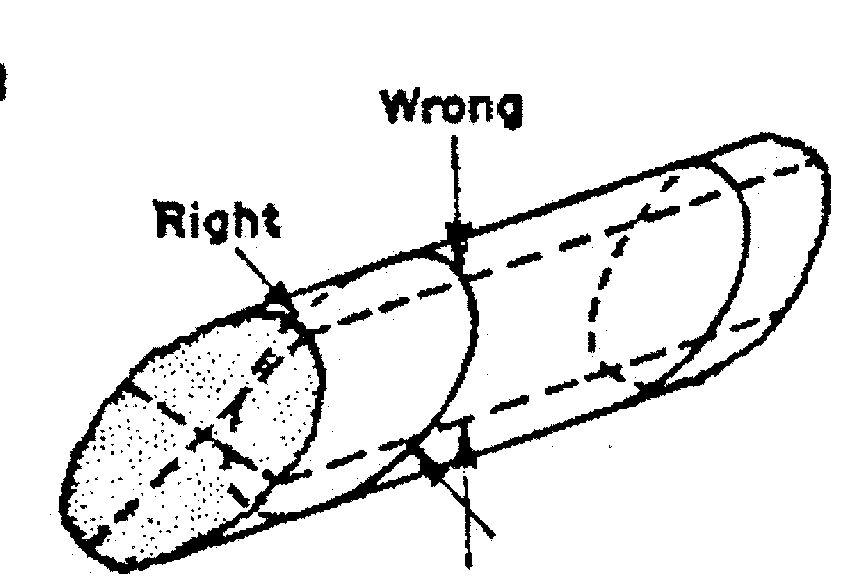
Anisotropy Test Specimens

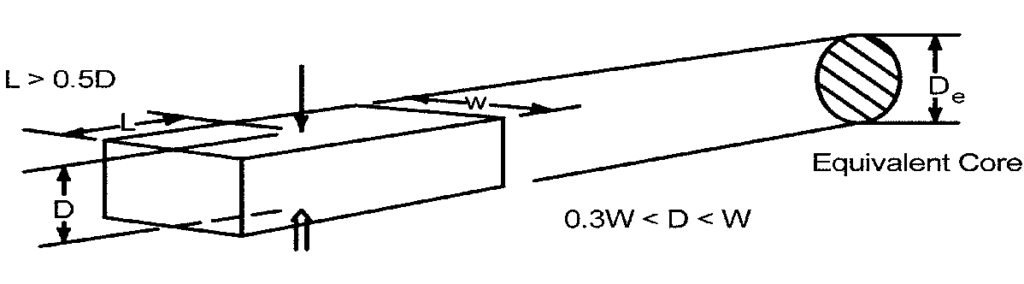
Block and Irregular Shape Test Specimens

Ex : Before PLT Testing
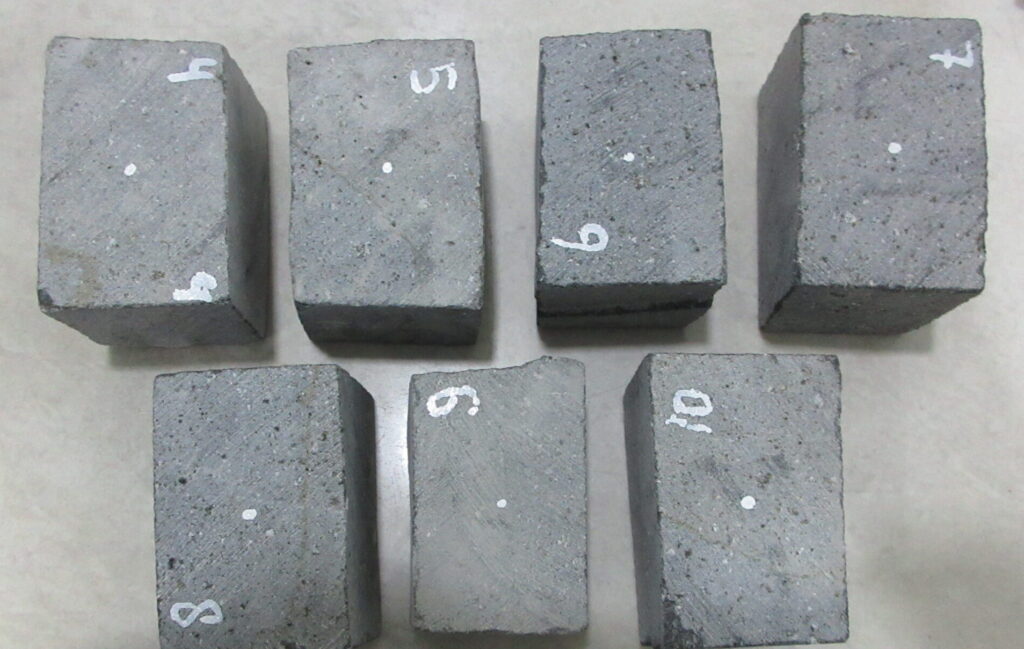
Ex : After PLT Testing