


Thin Section Examination – Petrography
In the field of geology, rock description can be conducted both macroscopically and microscopically. Macroscopic examination of rocks is generally performed first before microscopic examination. The process of describing rocks requires specialized expertise, which is generally carried out by geologists. Microscopic examination is conducted with the objective of obtaining conclusions or classifications for rock nomenclature in the geological domain through petrographic analysis.
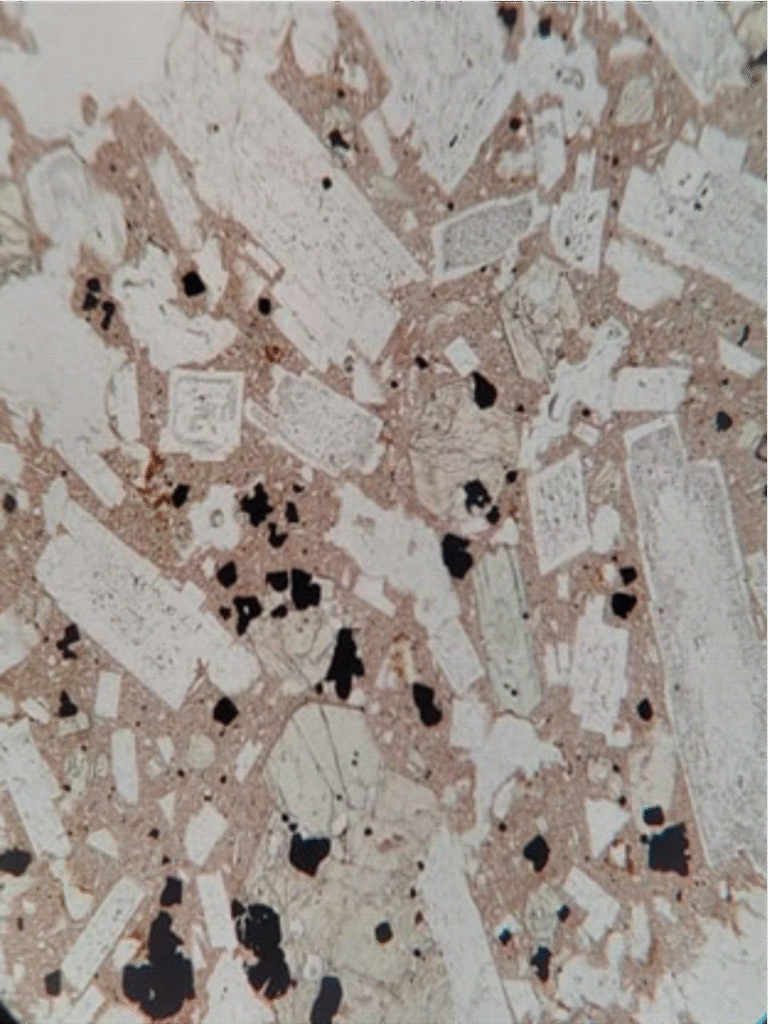
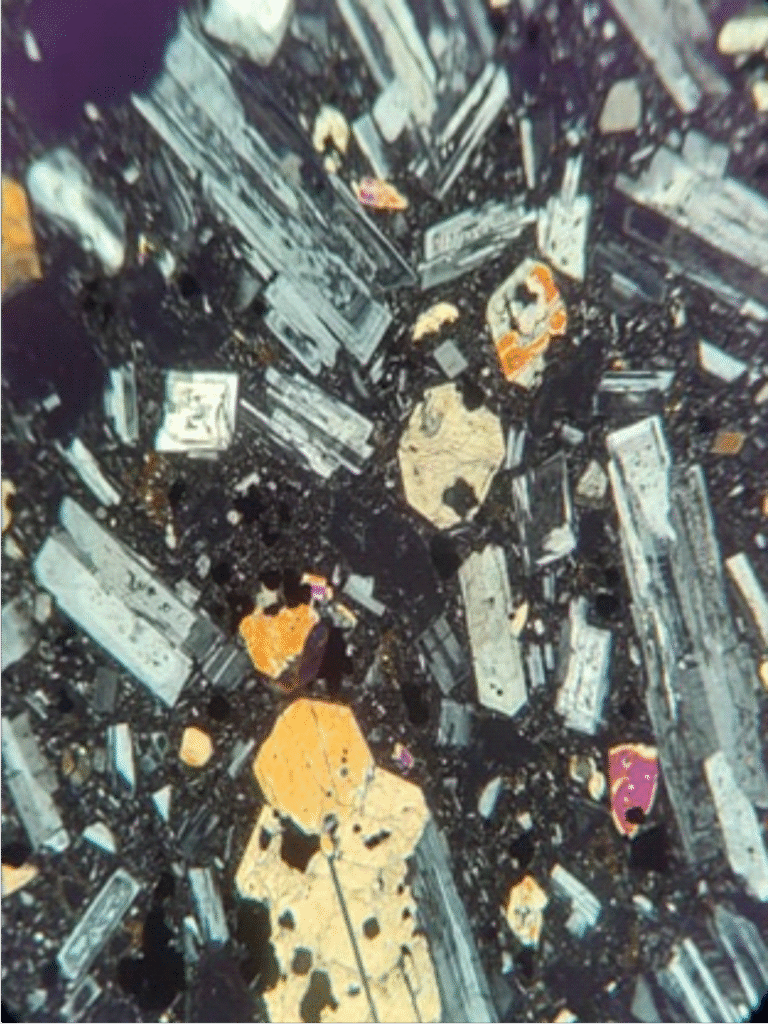
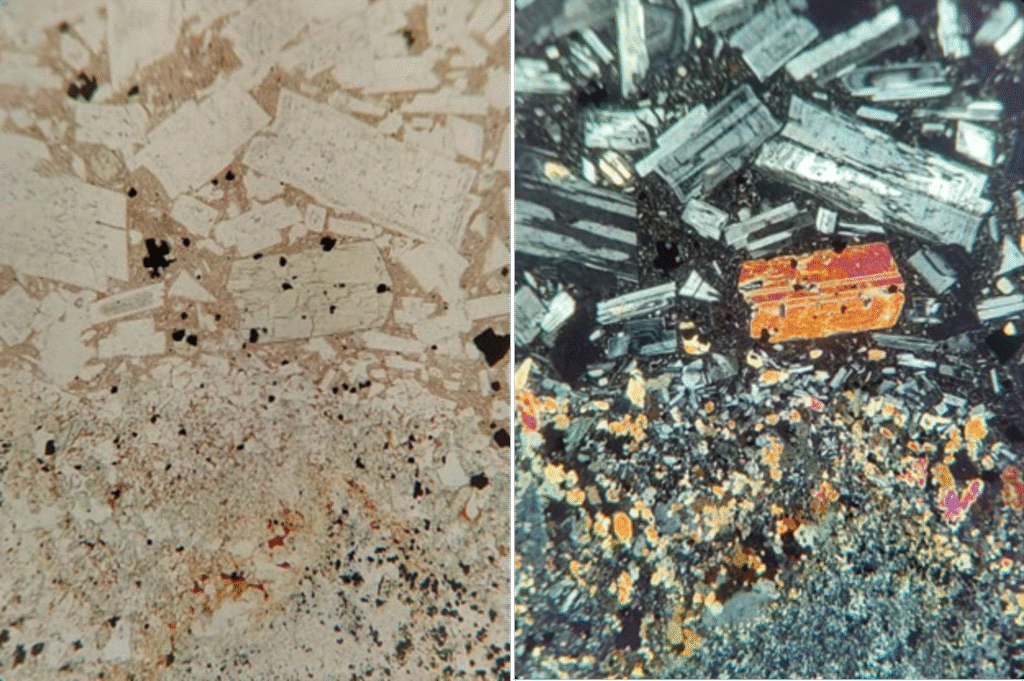
Petrography is a method used to describe rocks based on the transparent minerals contained within them using a polarizing microscope. A polarizing microscope (a microscope that utilizes linearly polarized light) used for observing transparent minerals is a refractive polarizing microscope, also commonly known as a “transmission light microscope”. The rocks intended for petrographic observation must be prepared as thin sections. These thin rock sections are subsequently examined under a microscope, providing information on structure, texture, mineral composition, genesis, and other characteristics, ultimately leading to the microscopic classification of the rock. The objective of petrographic analysis is to classify rocks into groups (igneous, sedimentary, or metamorphic) and subsequently determine their specific names based on microscopic analysis.